
An Introduction to the Functional Mechanism, Development History, and Diverse Applications of NADH
Classification: Industry News
Publication:2025-12-18 08:55
1. NADH Definition of
NAD (nicotinamide adenine dinucleotide) is an essential coenzyme naturally present in cells, existing in two forms—oxidized form (NAD + ) and the reduced form (NADH), which can interconvert via redox reactions and jointly regulate a variety of biological processes, including cellular energy metabolism and signal transduction.
Among these, NADH, the reduced form of NAD, is referred to as reduced coenzyme I; moreover, due to its critical role in mitochondrial energy metabolism, it is also known as “mitochondrial factor.”
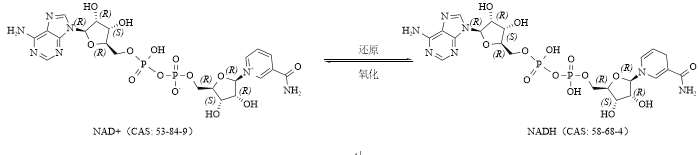
Figure 1 NAD + The interconversion process with NADH
2. NADH The development process
Early 20th century: While studying alcoholic fermentation in yeast, Arthur Harden first discovered an “unknown coenzyme factor” that promotes metabolism; this substance was later identified as NAD. +;
The 1920s and 1930s: Arthur Harden and Hans von Euler‑Chelpin jointly received the Nobel Prize in Chemistry “for their contributions to the study of the fermentation process and the enzymes and coenzymes involved”; Euler‑Chelpin subsequently isolated and purified NAD⁺ and determined its structure; Otto Warburg elucidated the redox properties of NAD⁺ and NADH, clarifying the mechanisms by which these two cofactors interconvert in cellular energy metabolism.
1980s–1990s: George Burkemeyer was the first to apply NADH in the clinical treatment of degenerative diseases, thereby advancing its transition from basic research into the realm of medical applications.
3. NADH The main functions [1,2]
3.1 Regulation of Cellular Energy Metabolism
NADH plays a central role in cellular energy metabolism: during glycolysis and the tricarboxylic acid cycle, NAD⁺ accepts hydrogen atoms and electrons generated in these metabolic pathways, thereby being reduced to NADH. Subsequently, NADH serves as an efficient biological carrier of hydrogen and electrons, shuttling into the mitochondrial inner membrane’s electron transport chain. Through a series of redox reactions, it releases energy that drives ATP synthesis via oxidative phosphorylation, providing the energy necessary for various cellular processes, such as biosynthesis, cell division, and active transport.
3.2 Antioxidant Activity
As a reducing molecule, NADH can neutralize highly oxidizing free radicals within cells, thereby preventing oxidative damage to cellular membrane lipids, genetic material (DNA), and functional proteins. This helps maintain the integrity of cellular structure and function and delays cell aging associated with oxidative stress.
3.3 Promoting the Production of Neurotransmitters
NADH can modulate synaptic plasticity and signaling pathways involved in myelin regeneration, promoting the synthesis and release of key neurotransmitters such as dopamine, serotonin, and norepinephrine, thereby contributing positively to the enhancement of neuronal viability and the mitigation of neurodegenerative‑related damage.
4. NADH Diverse applications of
4.1 The Dietary Supplement Sector
As people age, NADH levels in the body gradually decline, leading to cellular energy deficiency and impaired metabolic function. From a dietary perspective, vegetables contain no NADH, and meat contains only trace amounts; moreover, these微量 components are broken down and rendered inactive during cooking and digestion, making them difficult for the body to utilize effectively. Studies have shown that exogenous NADH supplementation may exert anti‑aging effects. [3] , Enhance energy metabolism [4] It offers multiple benefits, making it suitable for middle-aged and older adults, individuals experiencing chronic fatigue, high-intensity athletes, and the general public seeking anti-aging support.
4.2 Disease Treatment Field
In clinical medicine, NADH has demonstrated significant potential as an adjunctive therapy for various diseases. Studies have shown that NADH supplementation can help improve hearing impairment resulting from damage to the auditory nerve. [5] Exogenous supplementation of NADH can enhance the bactericidal efficacy of antibiotics against drug‑resistant bacteria, offering a new therapeutic approach for infections caused by multidrug‑resistant pathogens. [6] Furthermore, the near-infrared–mediated NADH delivery strategy has been shown to effectively enhance mitochondrial function, holding promise for opening new avenues in the treatment of mitochondrial disorders and muscle‑degenerative diseases. [7] NADH can effectively inhibit the progression of early-stage colorectal cancer by maintaining immune homeostasis, attenuating inflammatory responses, and restoring redox balance. [8] 。
4.3 In Vitro Diagnostic Tools Sector
In biochemical diagnostic technology, NAD + The NADH‑based colorimetric system is one of the core analytical methods, leveraging the pronounced absorbance difference between NAD⁺ and NADH at 340 nm to enable precise quantification of various enzymatic activities, such as in clinically common alanine aminotransferase assay kits. Moreover, monitoring the redox state of NADH serves as a critical parameter for characterizing mitochondrial function in living organisms and, in disease models like cancer and diabetes as well as in studies of cellular aging, constitutes a key indicator for assessing cellular metabolic status.
Since 2012, Shangke Bio has focused on the development and application of NADH. After more than a decade of technological advancement, the company has established a mature and comprehensive enzymatic synthesis process for NADH. Its production facilities operate in strict compliance with Good Manufacturing Practice (GMP) standards, and standardized production control procedures ensure consistent product quality and high purity, fully meeting the stringent quality requirements and diverse application needs across food‑grade, diagnostic‑grade, and other sectors.
References:
[1] Giovanna Schiuma, Djidjell Lara, James Clement, et al. Nicotinamide Adenine Dinucleotide: The Redox Sensor in Aging-Related Disorders[J]. Antioxid Redox Signal . 2024.
[2] Chen Ziyi, Wang Hongyang, Wang Qiuju. The therapeutic potential of NADH: neurodegenerative diseases characterized by mitochondrial dysfunction [J]. Journal of Clinical Otorhinolaryngology, Head and Neck Surgery, 2024, 38 (01), 57-62.
[3]Johannes Burtscher, Vanna Denti, Johanna M Gostner, et al. The interplay of NAD and hypoxic stress and its relevance for ageing [J]. Ageing research reviews, 2024, 104 , 102646.
[4]Brigitte Pelzmann, Seth Hallström, Peter Schaffer, et al. NADH supplementation decreases pinacidil-primed I K ATP in ventricular cardiomyocytes by increasing intracellular ATP [J]. B r J Pharmacol . 2003, 139 (4), 749-54.
[5] Yue Qiu, Hongyang Wang, Huaye Pan, et al. NADH improves AIF dimerization and inhibits apoptosis in iPSCs-derived neurons from patients with auditory neuropathy spectrum disorder [J]. Hearing Research, 2024, 441 , 108919.
[6] Yilin Zhong, Juan Guo, Ziyi Zhang, et al. Exogenous NADH promotes the bactericidal effect of aminoglycoside antibiotics against Edwardsiella tarda [J]. Virulence , 2024, 15 (1), 2367647.
[7]Hui Bang Cho, Hye-Ryoung Kim, Sujeong Lee, et al. Near Infrared-Mediated Intracellular NADH Delivery Strengthens Mitochondrial Function and Stability in Muscle Dysfunction Model [J]. Advanced Science , 2025, 12 (12), 2415303.
[8] Karima Bahria, Nada Slama, Amina Abdellatif, et al. Moderate NADH supplementation prevents early colon carcinogenesis by modulating inflammation and oxidative stress in a mouse model [J]. Journal of molecular histology , 2025, 56 (5), 333.
Leave a Message Online


Hotline: 021-68187180

Fax: 021-68187179

Email: services@syncozymes.com
Email:sales@syncozymes.com

Address: No. 1199, Landian Road, Zhoupu Town, Pudong New Area, Shanghai

 Shanghai Public Security Bureau Internet Information Service Security Filing No. 31011502015262
-
-