
Cutting-Edge Research Progress — Angewandte Chemie International Edition | A team from Shanghai Jiao Tong University “has discovered a novel heme enzyme that elucidates a key step in the biosynthesis of quinomycin.”
Classification: Industry News
Publication:2026-04-03 16:16
Preface
Natural products containing nitrogen–nitrogen bonds are of great value in drug discovery due to their unique chemical structures and remarkable biological activities. Diazobenzofluorene compounds, exemplified by quinonamycin and phosphorhydrazide‑mycin, harbor diazo groups in their molecular architectures, which are regarded as key pharmacophores underlying their antitumor activity. These compounds demonstrate promise as anticancer chemotherapeutic agents; however, the mechanism governing the formation of nitrogen–nitrogen bonds during their biosynthesis has remained unresolved for a long time, thereby limiting both the investigation of their biosynthetic pathways and the development of synthetic biology approaches.
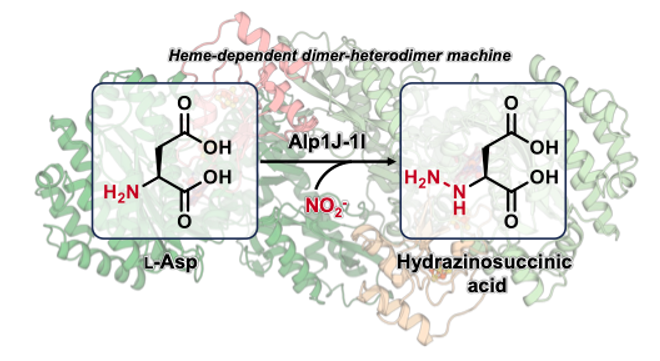
On October 24, 2025, the teams of Shuangjun Lin, Zixin Deng, and Ming Jiang from the School of Life Science and Technology and the State Key Laboratory of Microbial Metabolism at Shanghai Jiao Tong University published a research paper titled “Discovery of a Heme-Dependent Enzyme Catalyzing Nitrogen–Nitrogen Bond Formation in Kinamycin Biosynthesis” in Angewandte Chemie International Edition. The study identified and characterized an heme-dependent enzyme, Alp1J, which, with the assistance of its chaperone protein ferredoxin Alp1I, catalyzes the formation of a nitrogen–nitrogen bond during kinamycin biosynthesis, thereby elucidating this long-standing unresolved step in the biosynthetic pathway.
Research Background and Scientific Questions
The nitrogen–nitrogen bond is a relatively rare chemical linkage in nature, found in numerous natural products with significant biological activity. From the antitumor agent streptozotocin to the antibacterial agent pyronidazole, molecules containing N–N bonds often exhibit distinctive bioactivities. The diazo group (–N=N–) present in quinonamycin‑type compounds is considered a key structural motif underlying their antitumor activity. Previous studies have demonstrated that quinonamycin and its analog phosphorazidomycin possess potent anticancer properties, making them promising lead compounds for the development of novel anticancer agents.
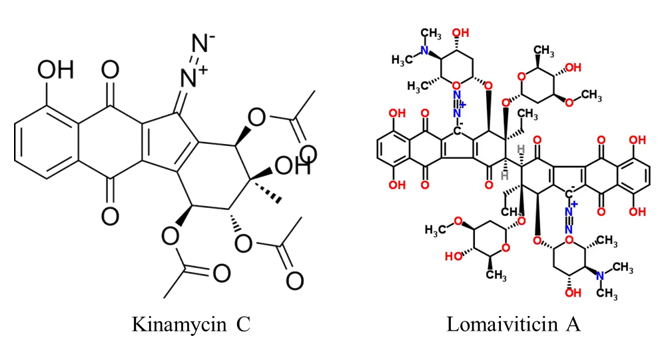
Figure 1. Structures of quinomycin and phosphorhydrazide antibiotic
Although scientists discovered such compounds decades ago and have largely elucidated the assembly of their polyketide scaffolds, the enzyme responsible for incorporating nitrogen atoms and forming the central N–N bond has remained elusive. Previous studies, relying on isotope labeling and other approaches, have hypothesized that the nitrogen atom originates from L-aspartate; however, direct experimental evidence has been lacking regarding which enzyme catalyzes this process and how the N–N bond is assembled. This critical knowledge gap has severely impeded efforts to decipher the biosynthetic mechanisms of relevant drug molecules and to engineer them through synthetic biology, thereby constituting a major bottleneck hindering progress in this field.
Discovery and Identification of Key Enzymes
During the biosynthesis of quinomycin’s diazo bond, glutamylhydrazine has been identified as the donor of both nitrogen atoms; however, the synthetic mechanism of its precursor, hydrazinosuccinic acid (HA), remains unresolved. Glutamylhydrazine also serves as a common precursor for the N–N bond in the biosyntheses of phosphygazinomycin and quinomycin.
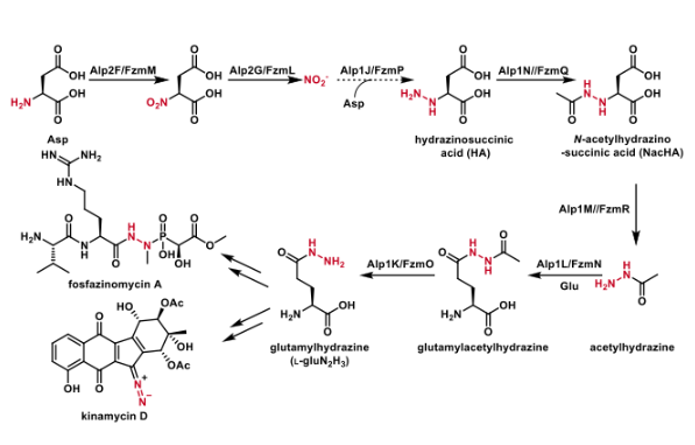
Figure 2. Biosynthesis of quinomycin and phosphorhydrazide antibiotic
Proposed biosynthetic pathway for the synthesis of amidinohydrazide
In the biosynthetic gene clusters of these two compounds, five homologous proteins encoded by conserved genes are predicted to participate in the synthesis of glutamylhydrazine, four of which have had their functions experimentally validated. Since neither gene cluster contains any protein products homologous to known nitrogen–nitrogen bond‑forming enzymes, the only uncharacterized… FzmP and Alp1J It is hypothesized to be responsible for catalyzing the formation of the N–N bond in the hydrazine intermediate HA. Furthermore, a ferredoxin protein, Alp1I, is conserved within the biosynthetic gene clusters of quinomycin‑type natural products, with its encoding gene located in close proximity to alp1J.
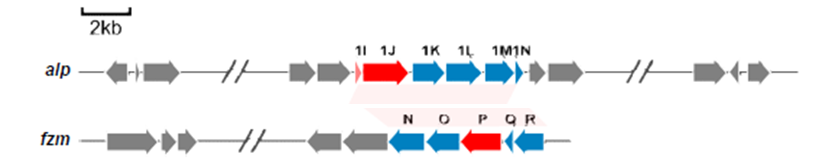
Figure 3. Biosynthetic gene cluster for quinomycin and phosphorhydrazide antibiotic
To confirm the functions of Alp1J and Alp1I, the researchers first constructed knockout strains lacking either gene. The results showed that the mutant strains completely lost the ability to synthesize kinamycin D and instead accumulated the nitrogen–nitrogen‑free intermediate seongomycin. However, upon supplementation with acetylhydrazine, a downstream product of HA, kinamycin D synthesis was restored, indicating that Alp1J and Alp1I jointly participate in the biosynthesis of the nitrogen–nitrogen bond in kinamycin D.
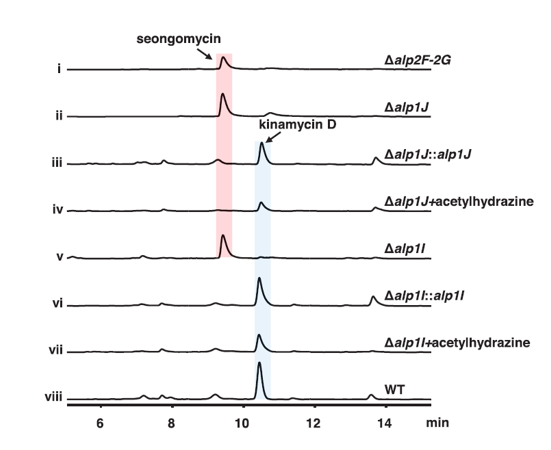
Figure 4. In vivo functional analysis of Alp1J and Alp1I
To further investigate its enzymatic function, the research team conducted in vitro biochemical experiments. The purified Alp1J exhibited a light brown color and was identified as a heme b‑binding protein using the pyridine‑heme assay. However, despite testing numerous reaction conditions, in vitro synthesis of HA remained unsuccessful, suggesting that the reaction may require additional proteins or cofactors. Subsequently, in vivo reconstitution in Streptomyces and Escherichia coli demonstrated that Alp1J, Alp1I, and the previously characterized acetyltransferase Alp1N are sufficient to synthesize N‑acetylated hyaluronic acid (NacHA). Nevertheless, even in an in vitro reaction system containing all three components, NacHA could not be detected, indicating that the enzymes or cofactors might be oxygen‑sensitive. Following this, reactions were performed under strictly anaerobic conditions, successfully enabling the detection of NacHA formation. The study also revealed that Alp1J and Alp1I can form a stable complex, existing as a dimer in solution; this quaternary structure effectively protects the heme cofactor and the iron–sulfur cluster, markedly enhancing catalytic efficiency and stability.
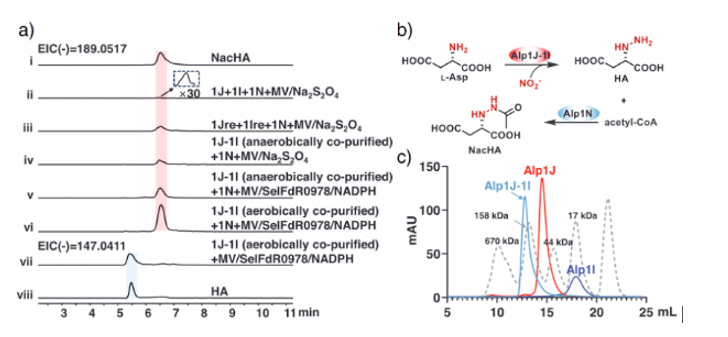
Figure 5. In vitro functional analysis of Alp1J and Alp1I
Analysis of the catalytic mechanism
The research team, through isotope tracing, intermediate trapping, and kinetic analyses, elucidated the reaction pathway of the Alp1J–Alp1I complex. This complex uses L-aspartate and nitrite as direct substrates and, via a four-electron reduction mechanism, generates the hydrazine intermediate essential for forming the diazo group. Throughout this process, the heme cofactor of Alp1J not only binds the substrates but also regulates the reaction course through multiple electron-transfer steps.
Specifically, L-aspartate supplies the two nitrogen atoms in the N–N bond, while nitrite acts as an oxidant in the reaction. During catalysis, Alp1J must precisely regulate the sequence and direction of the four-electron reduction, ensuring that the final product is a hydrazine intermediate rather than other side products. This reaction mechanism differs from those of known non‑heme iron enzymes and radical SAM enzymes involved in N–N bond formation, representing a completely novel biocatalytic pathway.
This discovery expands our understanding of the functional diversity of heme enzymes. Previously reported nitrogen–nitrogen bond‑forming enzymes have primarily included non‑heme iron enzymes and radical SAM enzymes, whereas heme‑dependent nitrogen–nitrogen bond‑forming enzymes represent a first-ever finding. Moreover, this mechanism provides a new blueprint for developing novel biocatalysts through approaches such as directed evolution.
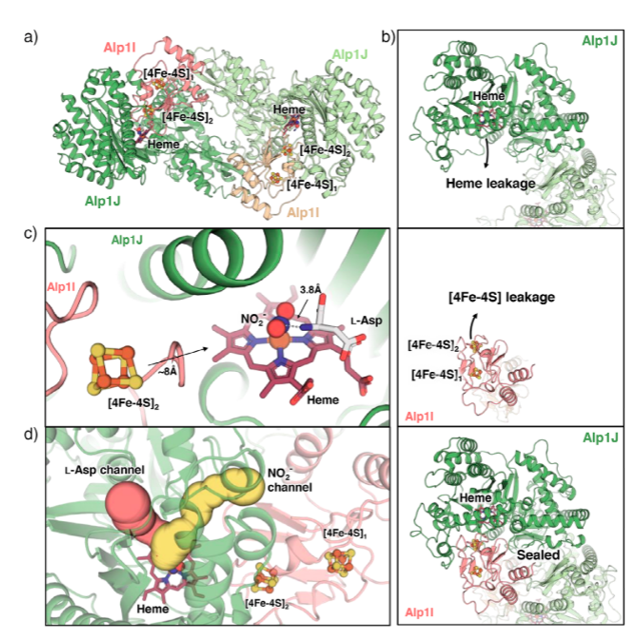
Figure 6. Predicted structure of the Alp1J–Alp1I complex
Research Value and Application Prospects
At the fundamental research level, this study elucidates a novel enzymatic mechanism by which nature constructs nitrogen–nitrogen bonds. At the applied level, it provides an important probe for identifying additional novel natural products containing nitrogen–nitrogen bonds through genomic mining. Leveraging the sequence characteristics of Alp1J, bioinformatics approaches can be employed to screen microbial genome databases for gene clusters likely to produce new types of nitrogen–nitrogen‑bonded natural products, thereby enabling the efficient discovery of structurally新颖 lead compounds.
By integrating synthetic biology strategies, this achievement lays the groundwork for the biomanufacturing of complex molecules and the design of non‑natural analogs. Quinomycin and its analogs have long been a focal point for medicinal chemists due to their anticancer activity; however, their total chemical synthesis is both intricate and low‑yielding. With the elucidation of key steps in their biosynthetic pathway, targeted genetic engineering and heterologous expression can enable the efficient biological production of these complex compounds or facilitate the creation of non‑natural analogs with greater structural diversity and enhanced functional properties.
References:
Zhao Y, Xiao Z, Liu X, et al. Discovery of a Heme-Dependent Enzyme Catalyzing Nitrogen-Nitrogen Bond Formation in Kinamycin Biosynthesis. Angew Chem Int Ed Engl. 2025;64(50):e202513778. Doi:10.1002/anie.202513778.
Leave a Message Online


Hotline: 021-68187180

Fax: 021-68187179

Email: services@syncozymes.com
Email:sales@syncozymes.com

Address: No. 1199, Landian Road, Zhoupu Town, Pudong New Area, Shanghai

 Shanghai Public Security Bureau Internet Information Service Security Filing No. 31011502015262
-
-