
Focusing on the CGRP Target: The R&D Journey and Market Performance of Gepan‑Class Drugs
Classification: Industry News
Publication:2025-08-08 15:00
Introduction: Studies have demonstrated that blocking CGRP signaling can effectively prevent and terminate migraine attacks.
I. Overview
Migraine is a common neurological disorder that significantly impairs quality of life, characterized by recurrent, moderate-to-severe pulsating headaches—unilateral or bilateral—often accompanied by nausea, vomiting, and aversion to light and sound [ 1] 。
A 2021 Global Burden of Disease (GBD) study found that migraine ranks third among the overall disease burden of neurological disorders and is also the second most common neurological condition leading to disability, with a global prevalence of approximately 14%. [2,3] According to Chinese data, in 2021 the prevalence of neurological disorders was approximately 468 million, accounting for 32.91% of the country’s total population. Among these, migraine patients numbered about 184 million, making it the second most common neurological condition. [4] In summary, migraine has emerged as a public health issue requiring urgent attention, and its standardized treatment should be incorporated into the priority areas of neurological disease prevention and control.
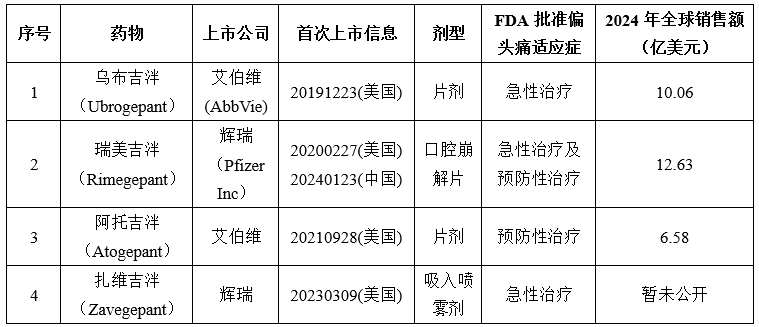
At present, the pathogenesis of migraine remains incompletely understood. Numerous theories have been proposed to elucidate its mechanisms, including vascular dysregulation and sterile inflammation of the dura mater. Among these, the trigeminovascular hypothesis is widely accepted: it posits that dysfunction of the trigeminal–vascular system leads to hyperexcitability, which activates nociceptors in the meningeal vessels, cerebral arteries, and sinuses, thereby triggering headache and associated symptoms. [5] Studies have demonstrated that blocking calcitonin gene-related peptide (CGRP) signaling in the trigeminovascular system can effectively prevent and terminate migraine attacks. [6] Therefore, in recent years, the specific blockade of the CGRP pathway has become a major focus in the development of anti-migraine drugs. To date, four small-molecule CGRP receptor antagonists have been approved by the U.S. Food and Drug Administration (FDA): ubrogepant, rimegepant, atogepant, and zavegepant. Their respective drug information is provided below:
II. Development History and Market Status of Approved Drugs
1. Ubrogepant
Ubrelvy is the first CGRP receptor antagonist approved by the FDA for the treatment of acute migraine attacks.
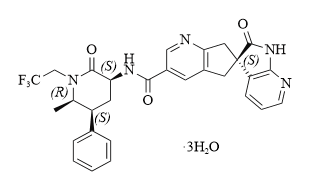
Figure 1. Structure of Ubiquinone
Dosage form : Tablets
Usage and Dosage : The recommended dose is 50 mg or 100 mg, with at least a 2-hour interval between doses; the maximum daily dose should not exceed 200 mg.
FDA-approved indications : Acute treatment of migraine with or without aura in adults.
R&D Journey: Ubrelvy was initially developed by Merck, a U.S. pharmaceutical company. In July 2015, Merck entered into a licensing agreement with Allergan, granting it worldwide development rights and responsibility for manufacturing, quality control, and commercialization. In June 2019, Allergan was acquired by the biopharmaceutical company AbbVie. On December 23, 2019, Ubrelvy, an oral small‑molecule tablet, received FDA approval for marketing under the brand name Ubrelvy®.
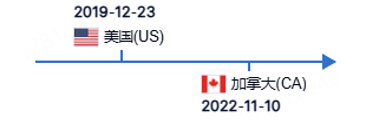
Figure 2. Timeline of Ubequibam Approval
Global sales revenue Ubiquinol’s global sales have shown a steady growth trend, reaching US$125 million in 2020, US$552 million in 2021, US$680 million in 2022, US$815 million in 2023, and US$1.006 billion in 2024.
Original research pathway [7] :
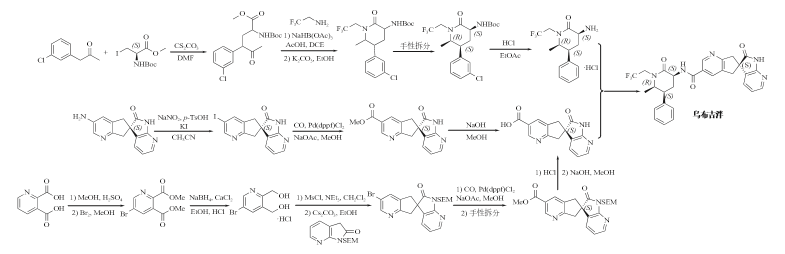
Figure 3. Original Synthesis Route of Ubiquinone [7]
2. Rimegepant
Rimegepant is the world’s only CGRP receptor antagonist that utilizes a patented orally disintegrating tablet technology, and it is also the first medication globally approved for both the acute treatment and preventive management of migraine.
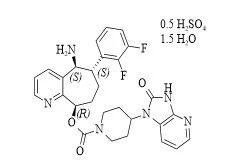
Figure 4. Structure of remimazolam
Dosage form : Orally disintegrating tablets
Usage and Dosage : Take 75 mg orally, as needed, once daily.
FDA-approved indications : Acute treatment of migraine with or without aura in adults; prophylactic treatment of episodic migraine in adults.
R&D Journey: Rimegepant was initially developed by Bristol Myers Squibb (BMS) and demonstrated high selectivity and affinity for the CGRP receptor in preclinical studies. In July 2016, Biohaven Pharmaceutical Holding Co., Ltd. acquired rimegepant from BMS, obtaining global development rights and assuming responsibility for manufacturing, quality control, and commercialization. On February 27, 2020, rimegepant orally disintegrating tablets were approved by the FDA under the brand name Nurtec® ODT. In November 2021, Biohaven entered into a collaboration agreement with Pfizer, granting Pfizer commercialization rights to rimegepant outside the United States. In May 2022, Pfizer acquired Biohaven for approximately $11.6 billion. On April 25, 2022, rimegepant received approval from the European Medicines Agency (EMA) under the brand name Vydura®. On January 23, 2024, rimegepant was approved by China’s National Medical Products Administration (NMPA) under the brand name Letaike®.
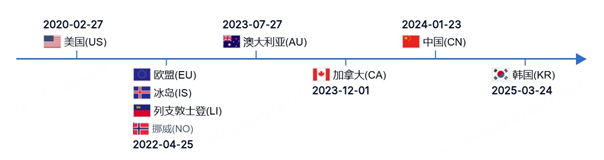
Figure 5. Timeline of Remimazolam Approval
Global sales revenue In 2020, rimegepant (Biohaven) recorded global sales of US$63 million; in 2021, Biohaven reported US$462 million; in 2022, Pfizer reported US$213 million; in 2023, Pfizer reported US$928 million; and in 2024, Pfizer projected US$1.263 billion.
Original research pathway [8] :
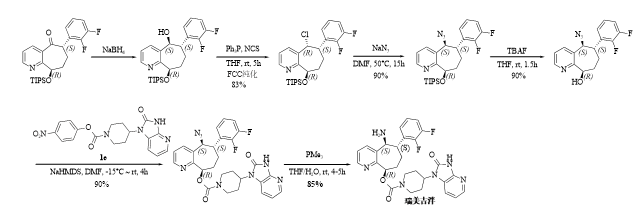
Figure 6. Original Synthesis Route of Remimazolam [8]
3. Atogepant
Atogepant is the first oral medication approved for the preventive treatment of migraine in adults, offering patients a convenient and safe once-daily preventive option.
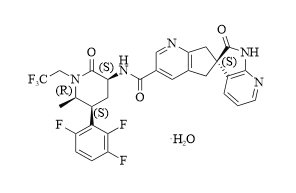
Figure 7. Structure of atogepant
Dosage form : Tablets
Usage and Dosage : The dosage is 10, 30, or 60 mg once daily.
FDA-approved indications : Preventive treatment of episodic migraine in adults.
R&D Journey: The development history of atogepant is similar to that of ubrogepant: it was initially developed by Merck, a U.S. pharmaceutical company, and in July 2015, Merck granted Allergan worldwide rights to develop, manufacture, and commercialize the drug. In June 2019, Allergan was acquired by AbbVie. On September 28, 2021, atogepant, an oral small‑molecule tablet, received U.S. FDA approval for marketing under the brand name Qulipta®; on August 11, 2023, it was approved by the European Medicines Agency (EMA) and marketed as Aquipta®.
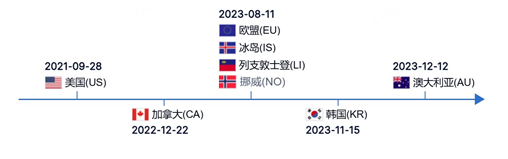
Figure 8. Timeline of Atogepant Approval
Global sales revenue : Atogepant’s global sales have continued to grow, reaching $158 million in 2022, $408 million in 2023, and $658 million in 2024.
Original research pathway [7] :
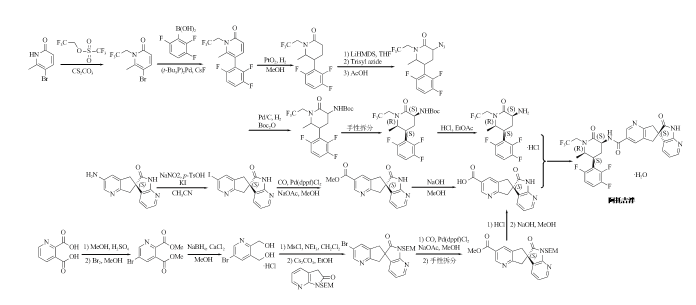
Figure 9. Original Synthesis Route of Atogepant [7]
4. Zavegepant
Zavegepant is the only small-molecule CGRP receptor antagonist administered via the nasal route, providing relief of pain symptoms in as little as 15 minutes, with a duration of relief lasting up to 48 hours.
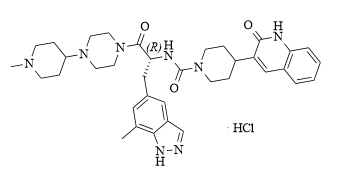
Figure 10. Structure of Zavicefta
Dosage form : Inhalation spray (Nasal Spray)
Usage and Dosage The recommended dose is 10 mg, administered as a single spray into one nostril; the maximum dose within 24 hours is 10 mg.
FDA-approved indications : The development history of acute treatment for adult migraine, with or without aura: The development of zavegepant follows a trajectory similar to that of rimegepant. Originally developed by Bristol‑Myers Squibb, in July 2016 Biohaven Pharmaceutical Holding Co., Ltd. acquired zavegepant from Bristol‑Myers Squibb, obtaining global development rights and assuming responsibility for manufacturing, quality control, and commercialization. In May 2022, Pfizer acquired Biohaven, integrating zavegepant into its R&D pipeline. On March 9, 2023, the intranasal spray formulation of zavegepant received FDA approval, marketed under the brand name Zavzpret®, and is currently available only in the United States.
Global sales revenue Currently, Pfizer has not yet disclosed global sales data for zavoglipron.
Original research pathway [9] :
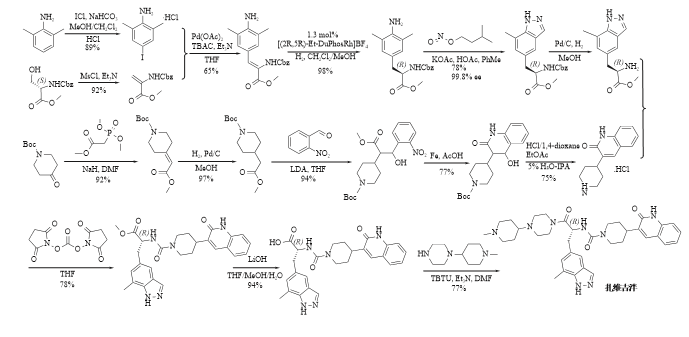
Figure 11. Original Synthesis Route of Zavicefta [9]
III. Additional Information on the Development of Other Drugs Targeting the CGRP Pathway
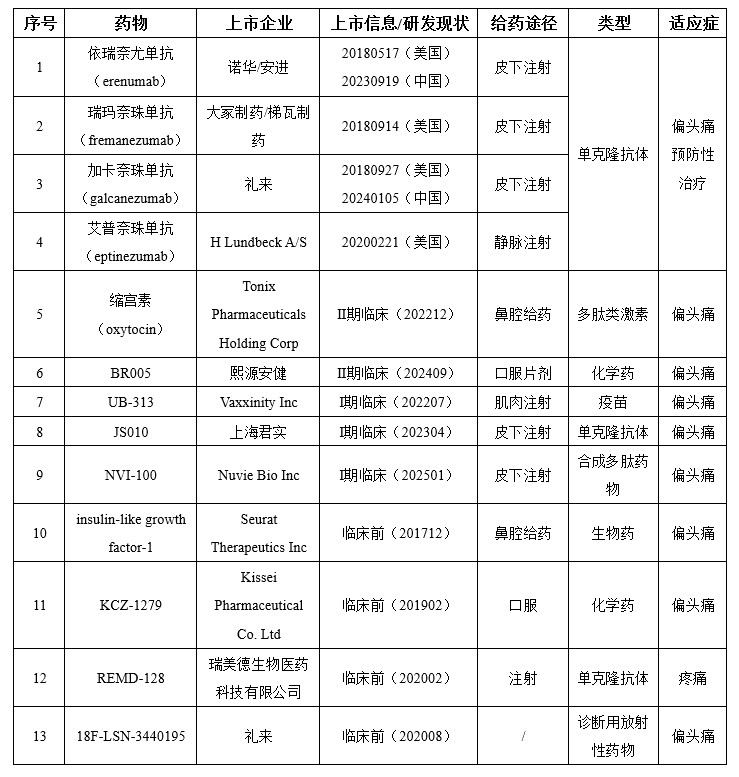
IV. Intermediate Supply Information
Shangke Bio has successfully developed, using a chemical–enzymatic approach, a series of intermediates for four migraine‑treatment drugs—ubrogepant, rimegepant, atogepant, and zavegepant—enabling it to supply customers with the necessary intermediates for the production of these four medications. For more details, please visit the company’s website at www.syncozymes.com.
References
[1] Journal of Clinical Neurology, 2025, 38(03): 212–216.
[2]Front Neurol.2025;16:1585512.
[3]Lancet Neurol.2024;23(4):344-381.
[4]Med.2025:100692.
[5] Chinese Journal of New Drugs and Clinical Practice, 2025, 44(04):257-264.
[6] Chinese Journal of New Drugs, 2024, 33(16): 1676–1680.
[7] Merck & Co., Inc. Piperidinone carboxamide azaindoline CGRP receptor antagonist: CN103328478B [P]. 2015-10-07.
[8] Bristol-Myers Squibb Company. CGRP receptor antagonist: CN102656159B [P]. 2015-07-01.
[9] Bristol-Myers Squibb Company. CGRP receptor antagonist: CN102834388B [P]. 2014-07-16.
Leave a Message Online


Hotline: 021-68187180

Fax: 021-68187179

Email: services@syncozymes.com
Email:sales@syncozymes.com

Address: No. 1199, Landian Road, Zhoupu Town, Pudong New Area, Shanghai

 Shanghai Public Security Bureau Internet Information Service Security Filing No. 31011502015262
-
-